
40 CFR 312.10
Reviews the Phase I file and signs the report. He owns the ASTM E1527 opinion: records, interviews, site findings, recognized environmental conditions, and the signed EP declaration. He does not perform the building inspection.

Environmental due diligence to ASTM E1527-21, conducted by an Environmental Professional as defined at 40 CFR 312.10, and structured to support the CERCLA innocent landowner defense.
Phase I ESA from $1,899. Report in five to six business days.
This is a separate report from a building inspection or a PCA. We can perform both in the same window when the lender requires it.
Request a Phase I Scope and Fee
Send the address and the use. We research the site history the same business day and send a written Phase I proposal.
We research the site history and send a written Phase I proposal within one business day. Phase I ESA is quoted after we review the site.
Same day research, then a written proposal.
The street address, the building type, and the basics about the deal. One minute on the form above.
We research the site that same business day: LoopNet, satellite and aerial imagery, listings, historical sources, and public records.
Scope, the ASTM E1527-21 standards that apply, the timeline, and the fee, in writing. Proposals carry an expiration date.
We do not give a final number on the first call or the first form. Commercial buildings are not priced from a simple matrix. Researching the property first is how the fee in the proposal is the fee you pay.
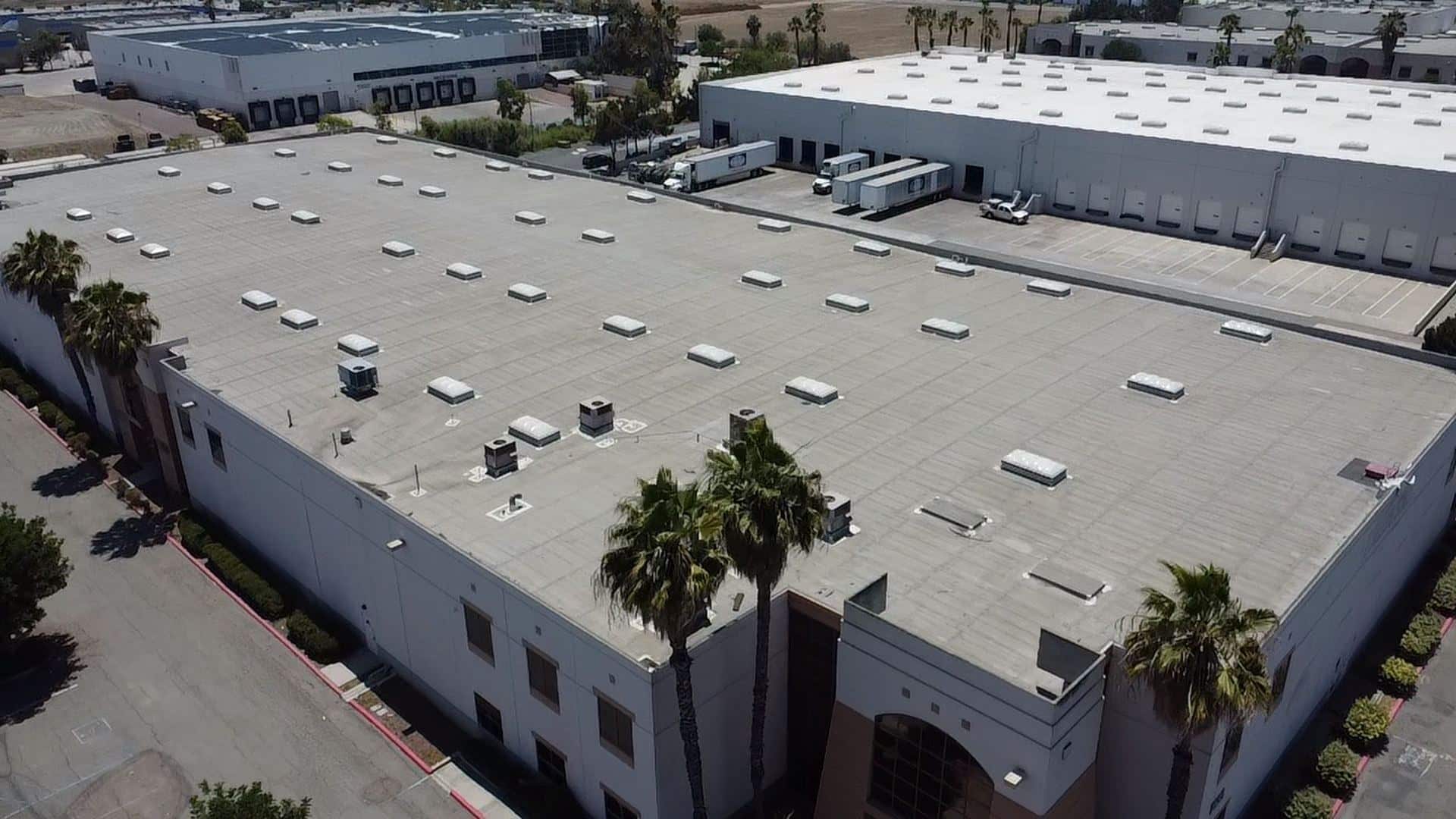
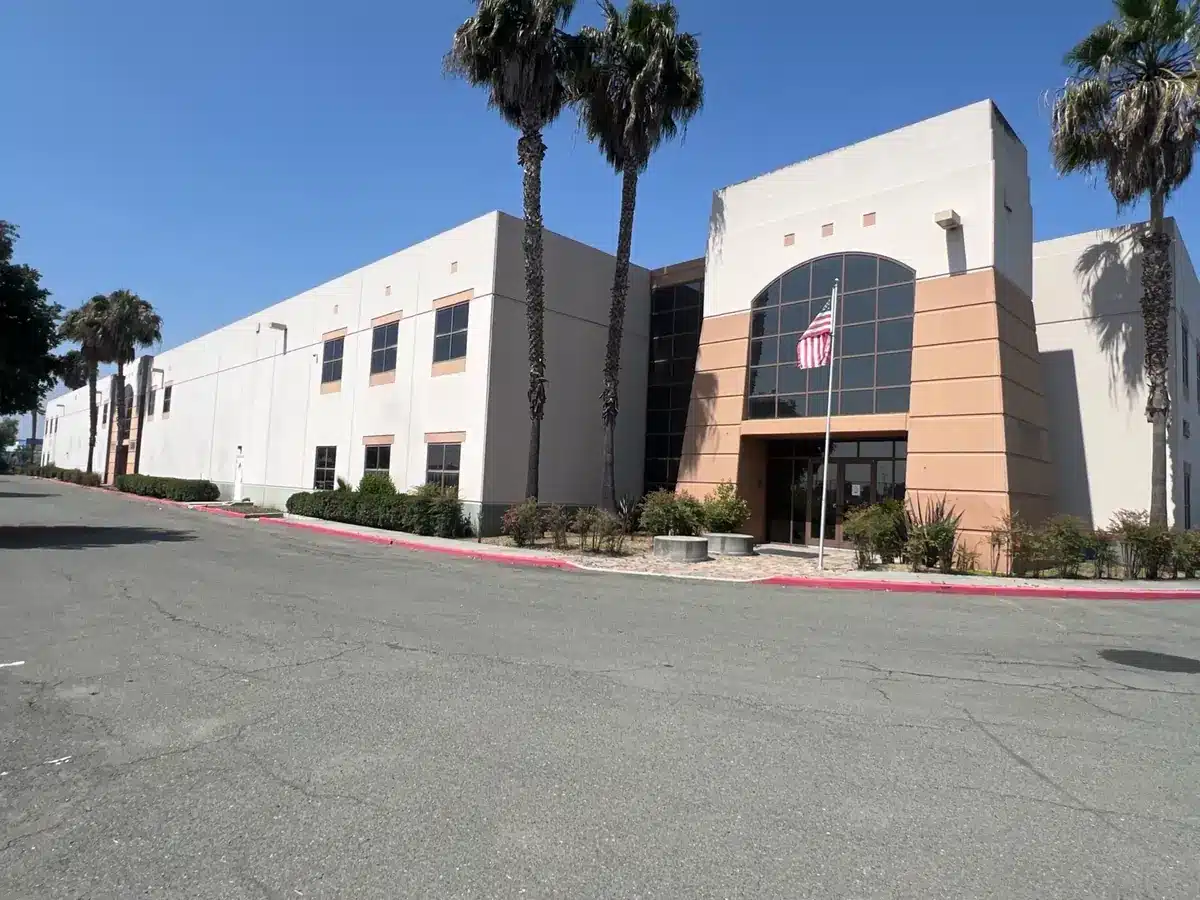
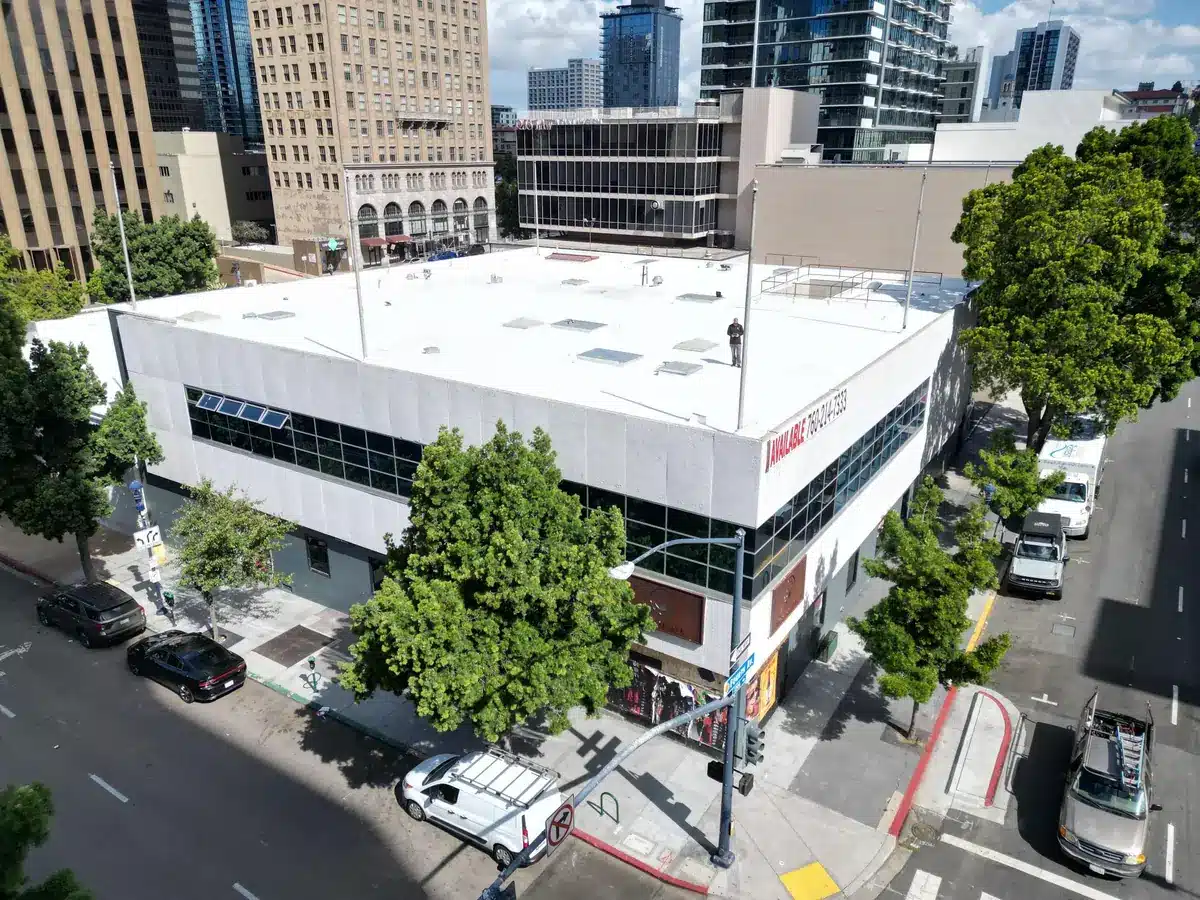
Southern California commercial property across the use types where site history matters most.


Does this property carry environmental risk that could become your liability once you take title or lend against it?
Regulatory database records, historical aerials, fire insurance maps, city directories, and prior reports. What the site was used for before you got there is usually where the risk lives.
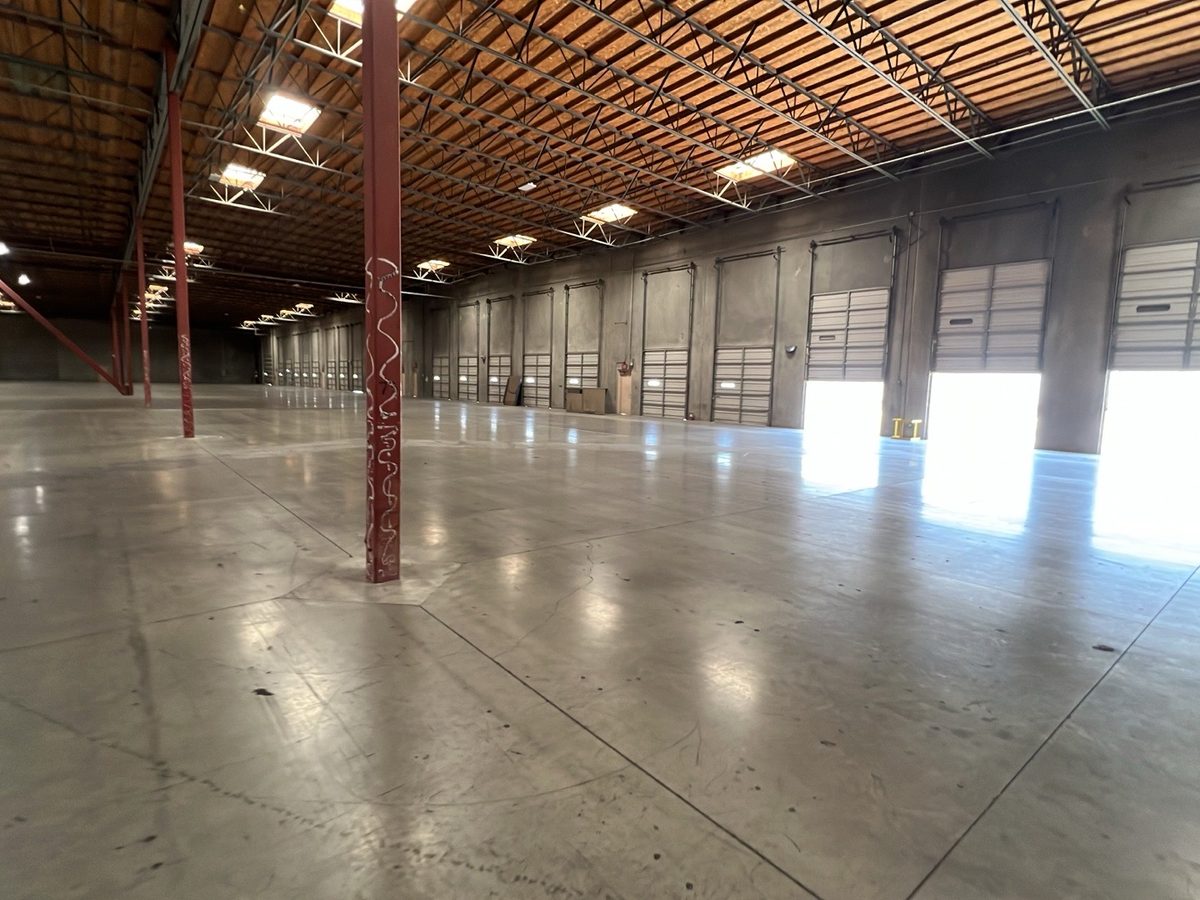
Our field team walks the property and its immediate surroundings, looking for staining, storage, drums, tanks, sumps, floor drains, transformers, and any other indicator of a release. Joe reviews those observations as the Environmental Professional.
Owners, occupants, operators, and where appropriate local government officials. People know things that never made it into a database.
ASTM E1527-21 and the All Appropriate Inquiries rule require the assessment to be conducted by or under the supervision of an Environmental Professional, as that term is defined at 40 CFR 312.10. That is a specific legal qualification, not a job title assigned internally.
Joe is the Environmental Professional on the ASTM E1527 opinion. He meets the qualifications set out at 40 CFR 312.10, supervises the assessment, reviews the file, and signs the Environmental Professional declaration that appears in your report.
Joe is the Environmental Professional who reviews and signs every Phase I. Don and Mike perform the site reconnaissance. Jamie handles proposals, interviews, and the schedule.
Credentials and license detail are stated in the report and available on request.
A lender reviewing your file is checking whether the report was produced by a qualified Environmental Professional to the correct standard. If it was not, the report does not support the innocent landowner defense and the loan file has a hole in it.
Our building inspection work and our environmental work are separate products under separate standards. We do not present a commercial inspector as an Environmental Professional, and we do not present a building inspection as environmental due diligence.
Field work, interviews, and the environmental signature are separate jobs. That is how a lender can rely on the report.
Reviews the Phase I file and signs the report. He owns the ASTM E1527 opinion: records, interviews, site findings, recognized environmental conditions, and the signed EP declaration. He does not perform the building inspection.

Your point of contact. Writes the proposal, runs the interviews, confirms scope and access, and holds the closing date. He is not in the field. On a combined order he coordinates both reports so you manage one vendor.
Performs the site walk. Documents current use, visible site conditions, and adjoining property context for the Phase I file. He does not sign the environmental opinion. On a combined order he covers the building and ADA survey.
On the site visit with the commercial team. Same field role: access, photos, and site notes for the reconnaissance package Joe reviews. He does not issue the REC opinion. On a combined order he covers the PCA building systems.
Site reconnaissance by Don Moore and Mike Davis. Interviews and project coordination by Jamie Hawks. Phase I reviewed and signed by Joe Lyons, Environmental Professional, under ASTM E1527-21.
Standards and insurance. ASTM E2018-24 and ComSOP for commercial inspections and PCAs. ASTM E1527-21 for Phase I ESAs. The company carries general liability and errors and omissions coverage. COIs provided when the landlord or client requires them.
A Phase I buyer is buying a document a lender has to accept. Here is what is in the PDF.
Want to see the format before you commit? Ask on the form and we will send the report outline or a redacted sample so you can confirm it satisfies your lender.
Being precise about the boundary is how you avoid buying the wrong report, or buying the same thing twice.
Need the building side as well? That is our Commercial Inspection and PCA work, written to ComSOP and ASTM E2018-24. See the inspection and PCA page.
We name the standard and the version on the face of every report.
If your lender named a specific version or added conditions, send us the requirement and we will scope directly to it.
Five to six business days, and we publish that number because we keep it.
You receive a written Phase I scope, standard, exclusions, and fee the same business day you send the address. Additional parcels, gas station or dry cleaner history, and rush work are priced in that document, not added later. You e-sign.
We send the user questionnaire and ask for ownership history, any prior environmental reports, and a site contact who can provide access and speak to past operations.
The regulatory database and historical records review runs in parallel with the site visit by our field team and the interviews run by your project coordinator. Joe reviews all of it.
A complete ASTM E1527-21 report, including the opinion on recognized environmental conditions, data gaps, and the signed Environmental Professional declaration.
A call to explain the findings, what they mean for your deal, and whether a Phase II is recommended. A Phase II is always a separate, separately quoted scope.
If your lender wants both, ordering them separately costs you time you do not have inside a closing window.
We never fold a Phase I into a building inspection and call it covered. They are two scopes, two standards, and two deliverables, quoted honestly as such.
Quote Both TogetherEnvironmental risk is not evenly distributed, so we quote from the address, the use, and the site history rather than a flat rate.
Under All Appropriate Inquiries, a Phase I ESA is valid for 180 days before the date you acquire the property. Inside that window the report can be relied on as written.
Between 180 days and one year, specific components have to be updated: the interviews, the search for environmental liens, the regulatory records review, the site reconnaissance, and the Environmental Professional declaration. Past one year, a new Phase I is required. If you are working from an older report, send it to us and we will tell you whether it can be updated or has to be redone.
Four things: the completed user questionnaire, any prior environmental reports you hold, a site contact who can provide access, and confirmation of who the report is being prepared for.
The user questionnaire is not paperwork for its own sake. All Appropriate Inquiries places specific obligations on the user, not only on us, including knowledge of environmental liens, specialized knowledge of the site, and the reason any purchase price is below fair market value. If that section is left blank, the report carries a data gap a lender can reject.
The report is prepared for a named user, and that name appears on the face of it. Only the named user can rely on it as written.
If a lender, a partner, an affiliate, or a successor entity also needs to rely on it, we issue a reliance letter. Tell us on the form who the lender is and we will name them at the outset, which is cleaner and faster than adding parties after delivery.
The report states the recognized environmental condition, the evidence behind it, and what we recommend next. A finding does not automatically mean a Phase II.
A Phase II is a separate scope with its own fee, involving soil, soil vapor, or groundwater sampling and laboratory analysis. It is never bundled into the Phase I price and never begins without your written approval. If the Phase I identifies no RECs, there is nothing further to order.
A Phase I ESA is the standard environmental due diligence report for commercial property. It combines a records and historical review, a site reconnaissance, and interviews, and results in a written professional opinion on whether the site has any recognized environmental conditions. It is a records and observation exercise: no drilling, no sampling, no laboratory testing.
They answer different questions. A Phase I ESA asks whether there is contamination risk attached to the land and its history. A Property Condition Assessment, written to ASTM E2018-24, asks what condition the building and its systems are in and what they will cost to fix. Different standards, different scopes, different reports. Neither includes the other, and on a purchase with a lender involved buyers frequently need both.
ASTM E1527-21, structured to satisfy the All Appropriate Inquiries rule at 40 CFR Part 312. The standard and the version appear on the face of the report so your lender can confirm it meets their checklist.
Five to six business days from signed proposal and confirmed site access. Phase I work starts at $1,899 and is quoted from the address, the current and past use, and the site history. Databases, historical sources, and interviews are included. Additional parcels, gas station or dry cleaner history, and rush turnaround are confirmed in the written fee before you sign, never added afterward. Most Southern California assignments land between $2,500 and $4,500 once the use and site history are reviewed, so treat $1,899 as a floor rather than a typical fee. If you order a PCA alongside the Phase I, the average commercial engagement, inspection plus Due Diligence Enhancements, runs about $2,500, confirmed in the written proposal.
No, not by default. Asbestos surveys, lead based paint surveys, mold assessment, radon, and similar building material investigations are non-scope considerations under ASTM E1527-21. If your lender or your deal requires any of them, tell us on the form and we will scope and price them alongside the Phase I.
Yes. On a purchase or refinance those two reports are commonly required in the same window. We quote them as two scopes in one proposal, deliver two reports written to their own standards, and assign one project manager so you are not coordinating two vendors against a closing date.
San Diego, Orange, Riverside, San Bernardino, Los Angeles, and Imperial Counties, and the Inland Empire. For larger commercial assignments and multi-site portfolios we travel nationwide, so ask us about locations outside Southern California.
Before you commit, look at the document. We will send a redacted sample proposal and a redacted sample report so you can confirm the format satisfies you and your lender.
Sample proposal and redacted report available on request. Ask on the form and we will attach them to the reply.
Send the address, the current or planned use, and your deadline. Our Environmental Professional reviews the site history and sends a written Phase I scope and fee the same business day.
Commercial Line (760) 748-0328 commercial@sdinspect.comRequest a Scope and Fee
Send the address and the use. We research the site history the same business day and send a written Phase I proposal.
We research the site history and send a written Phase I proposal within one business day. Phase I ESA is quoted after we review the site.
We use cookies and similar technologies for analytics, advertising, call tracking and session recording. These are switched off until you allow them. You can change your choice at any time.
Choose which categories you allow. Essential is always on because the site cannot function without it.
Essential cookies enable basic functions and are necessary for the proper function of the website.
You can find more information about our Cookie Policy and Privacy Policy.